Fruit symbols do not tell you how a slot pays
A fruit theme is a visual search category, not a mathematical rule. Zora’s Fruits filter is useful for finding familiar imagery, but two games showing cherries or grapes can evaluate wins differently. Read the payout model before comparing features or deciding whether a familiar appearance implies familiar controls.
Shining Crown is described by Amusnet as a five-reel game with ten fixed paylines. Sweet Bonanza uses matching symbols anywhere on its grid and tumbling sequences, according to Pragmatic Play. Those manufacturer descriptions illustrate why “fruit slot” is too broad to explain a round. The running game’s help panel remains the place to confirm the exact version.
With paylines, inspect the displayed line pattern and the direction in which combinations are counted. With an anywhere-pay system, inspect the required symbol count. With a tumble, distinguish the original paid round from the subsequent symbol replacements: several animations can belong to one initial stake.
For either format, open the paytable before changing stake controls. A payout figure may be expressed per line, per total bet or as a multiplier under specific rules. Comparing two large numbers without their units produces a misleading impression of value. Theme can guide discovery; the rule screen explains the financial meaning.
Use the theme to find candidates, then change the question
A theme filter answers “which cards have this kind of imagery?” Once a candidate is found, ask “what action is paid for, and how is a result evaluated?” This second question belongs to the information panel. Remaining in the theme view cannot resolve line direction, minimum matching symbols or the scope of a multiplier.
The route is deliberately short: choose the visual collection, identify the exact title, open its rules and record the next action’s cost. It lets a reader keep a preferred visual style without assuming that style determines the mathematics. Familiar fruit or book artwork may make navigation comfortable while concealing rules quite different from a previous title.
Translate a rule into a question about the visible result
For a line game, ask which numbered path contains the qualifying sequence. For a count-based game, ask how many eligible symbols appear and whether their positions matter. For a cascading game, ask whether the new symbols continue the same paid round. These questions direct attention to a specific panel or highlighted result rather than a broad marketing adjective.
The answer can also explain a seeming mismatch: symbols that look aligned may not lie on a valid path, or a replacement animation may be part of the previous round rather than another charged spin. The review should identify the rule that resolves the confusion. It should not invent a favourable interpretation simply because the screen appears visually promising.

Compare costs only after the units are identified
A paytable award of twenty could be currency, a line-stake multiple or a total-stake multiple depending on the title. Without the unit, comparing it with a number in another game is not meaningful. Record the unit and the accepted total cost, then keep optional purchases or enhanced modes separate from ordinary play.
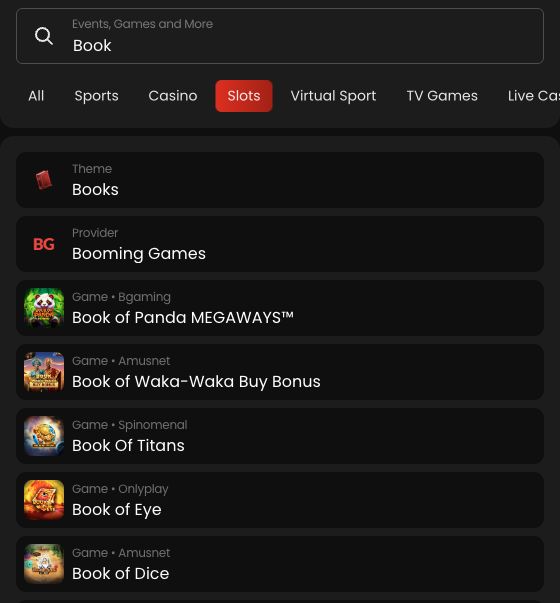
For screenshots, a themed lobby card can show how the title was found, while a rule panel explains its actual calculation. This pairing serves two different reader needs. Do not use the attractive lobby image as evidence of RTP or volatility. The practical recommendation is a route to understandable controls and rules, not a claim that one visual theme pays better than another.